

 0086-13338774804

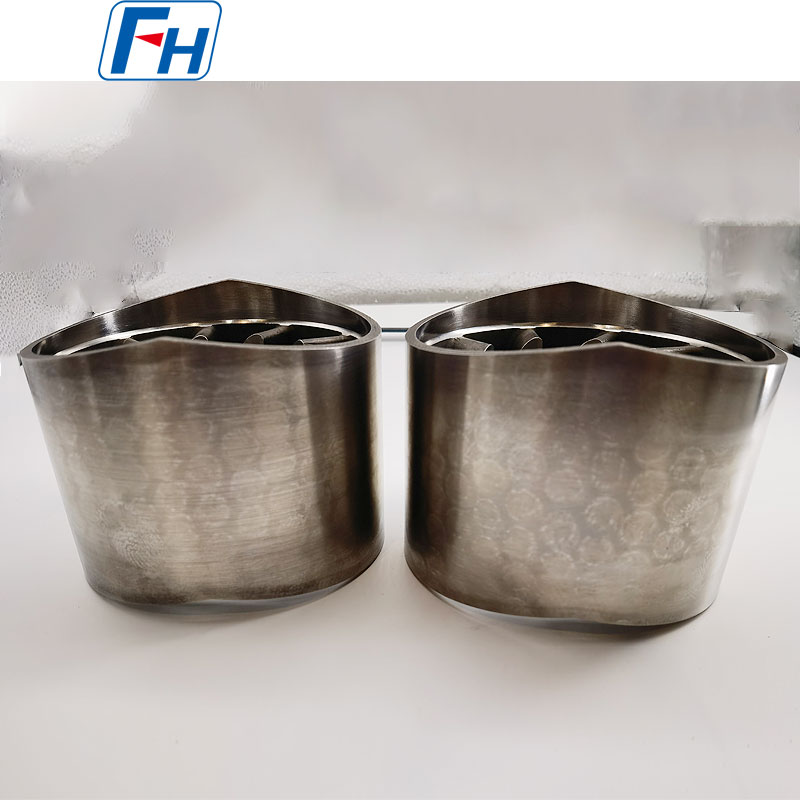
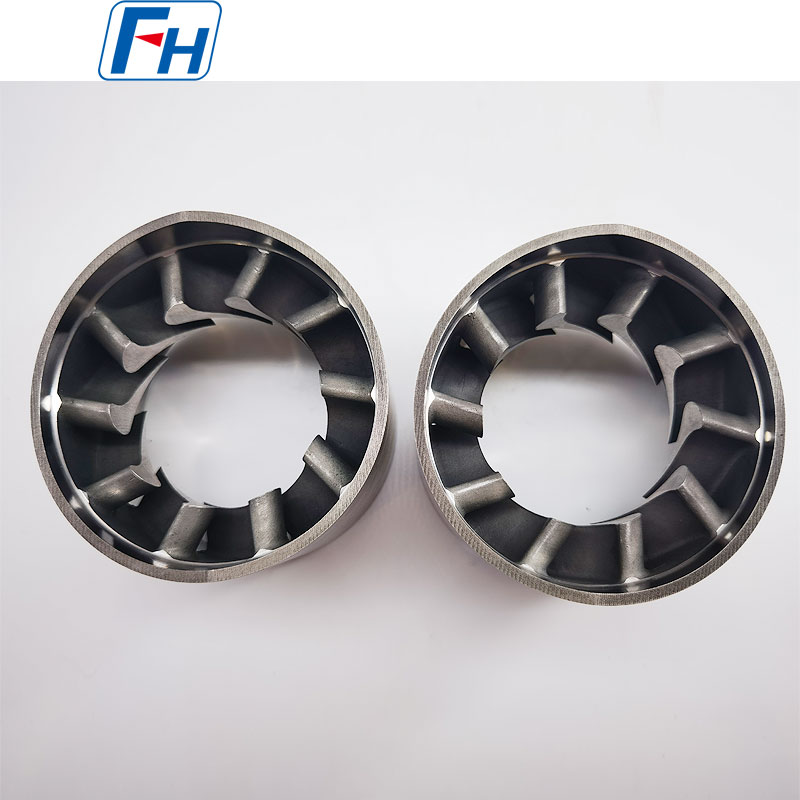
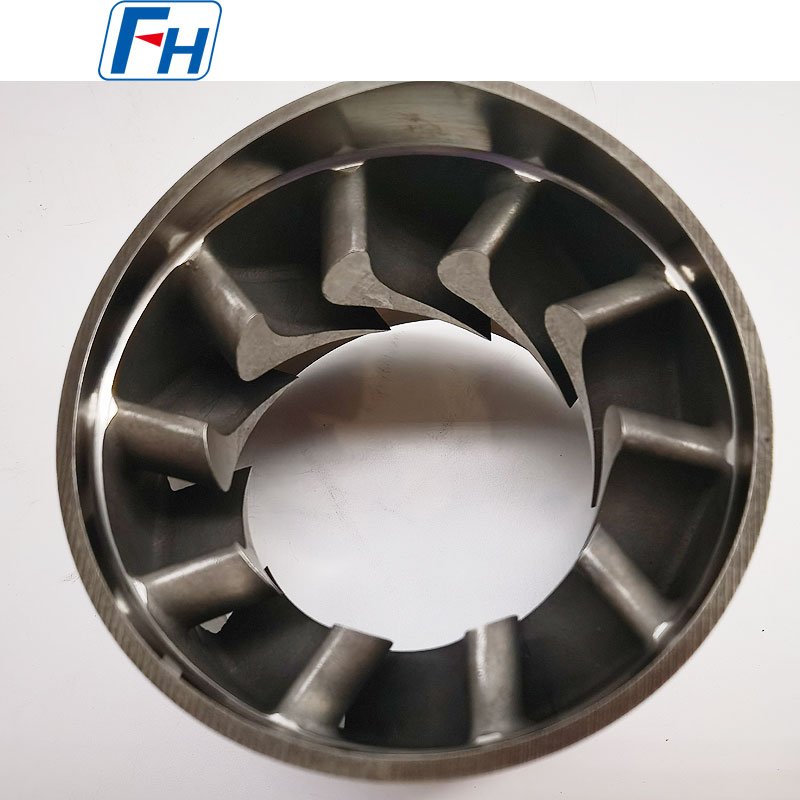
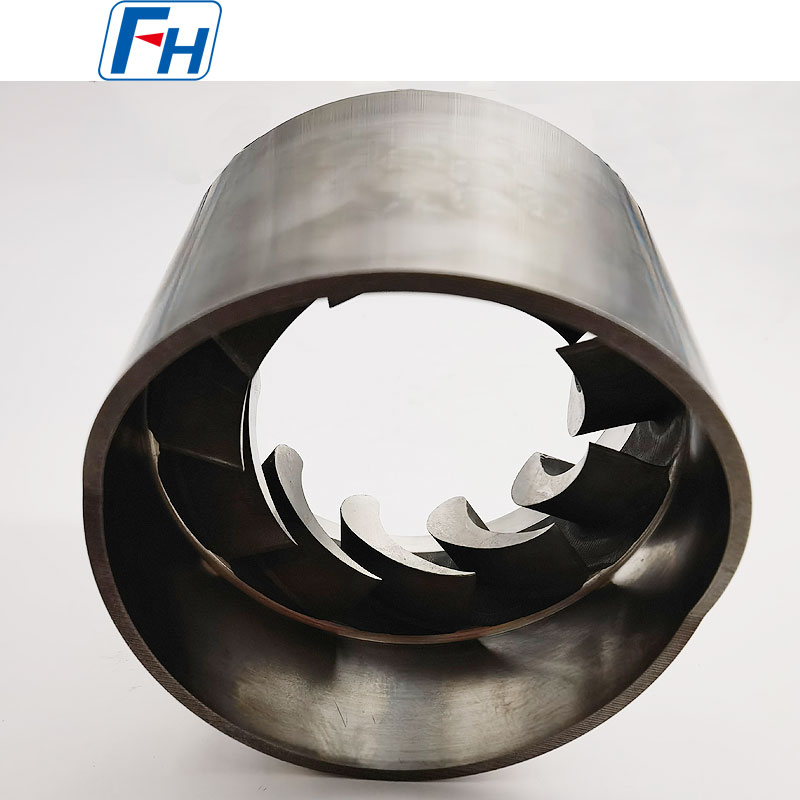
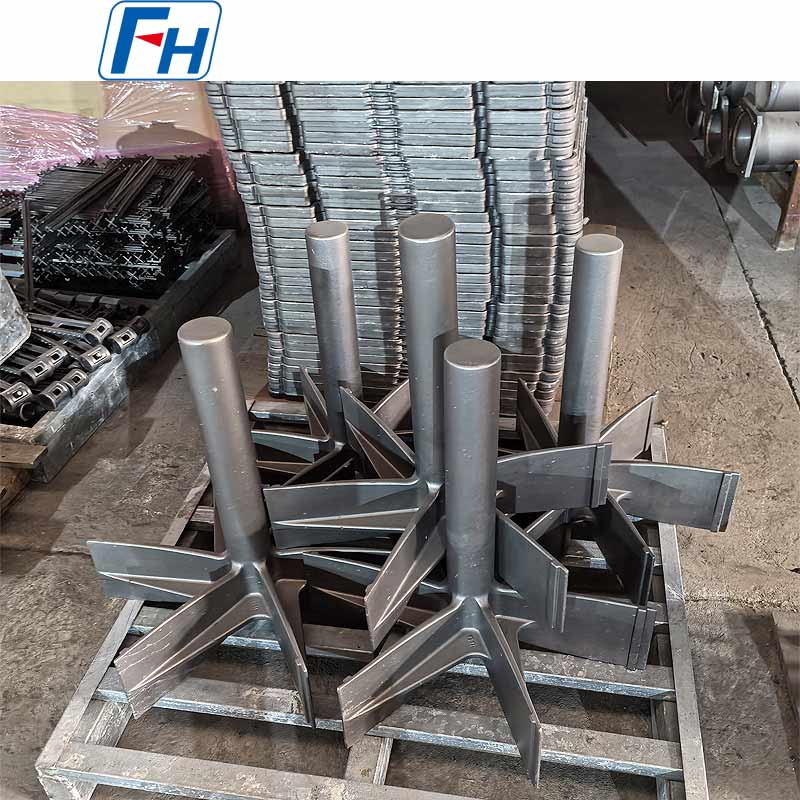
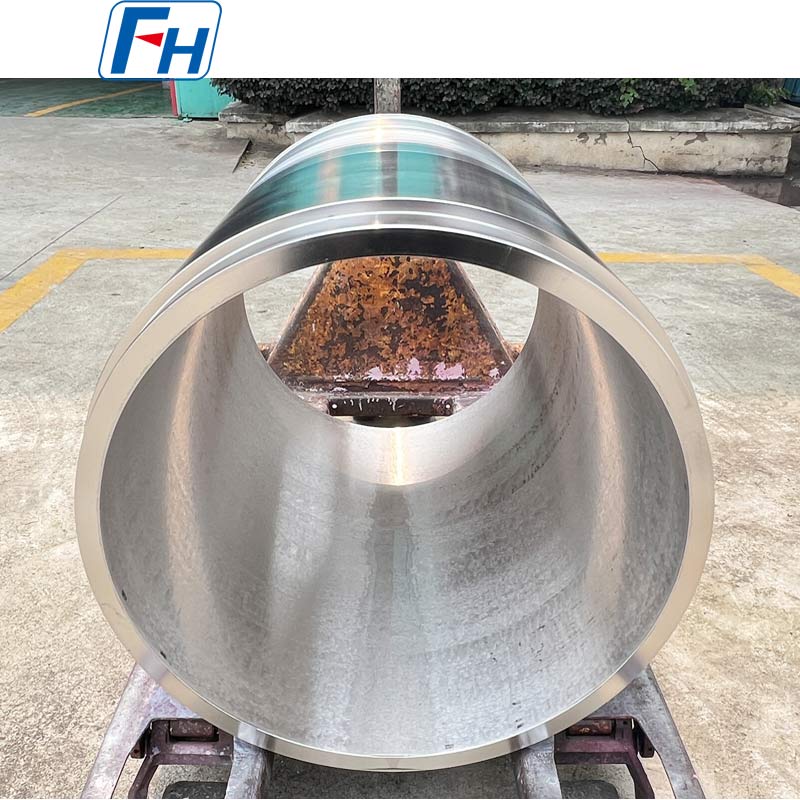
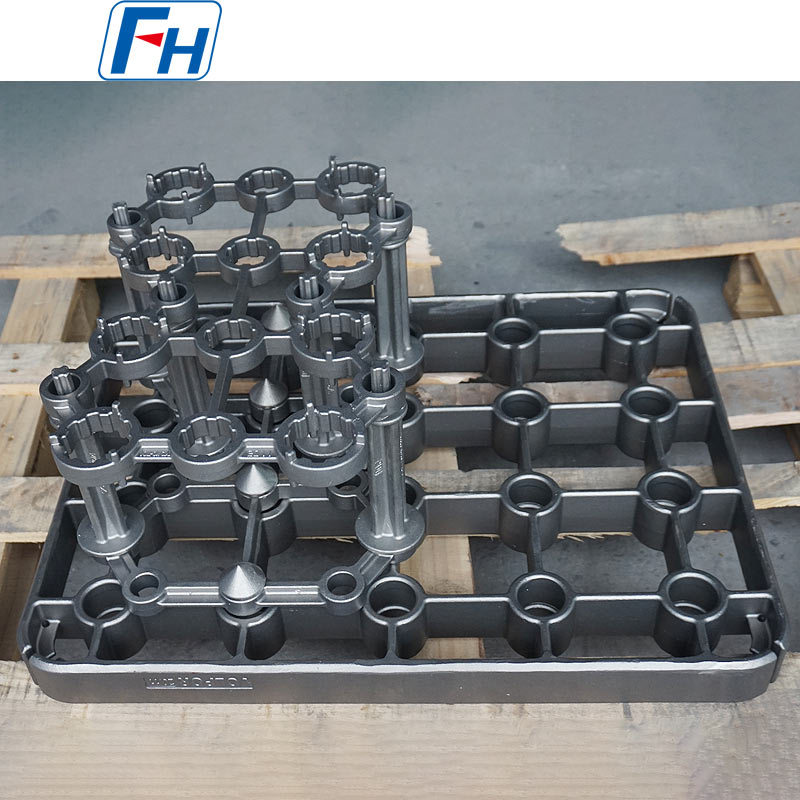
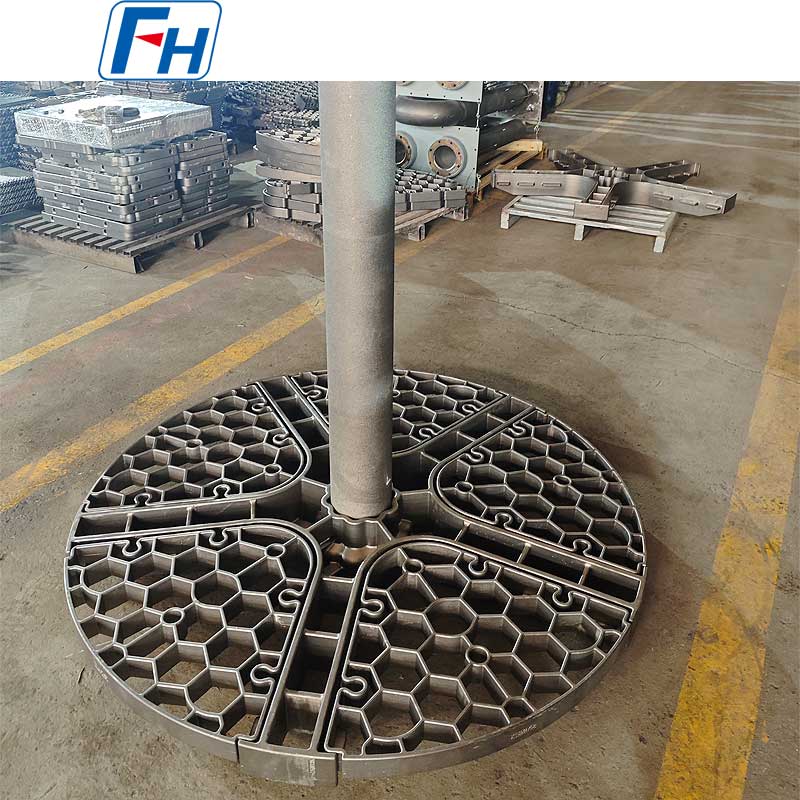
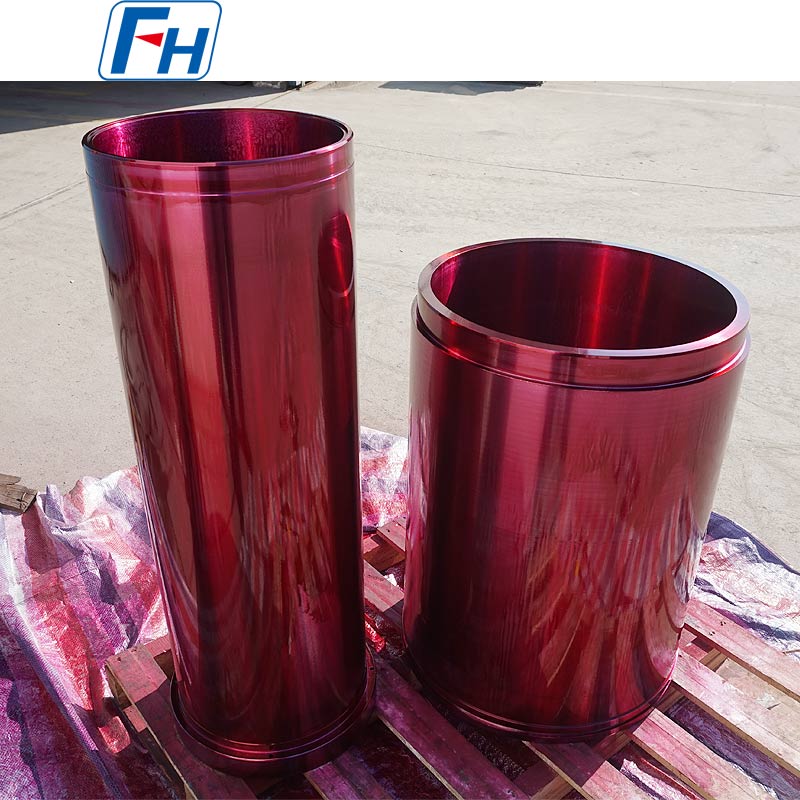
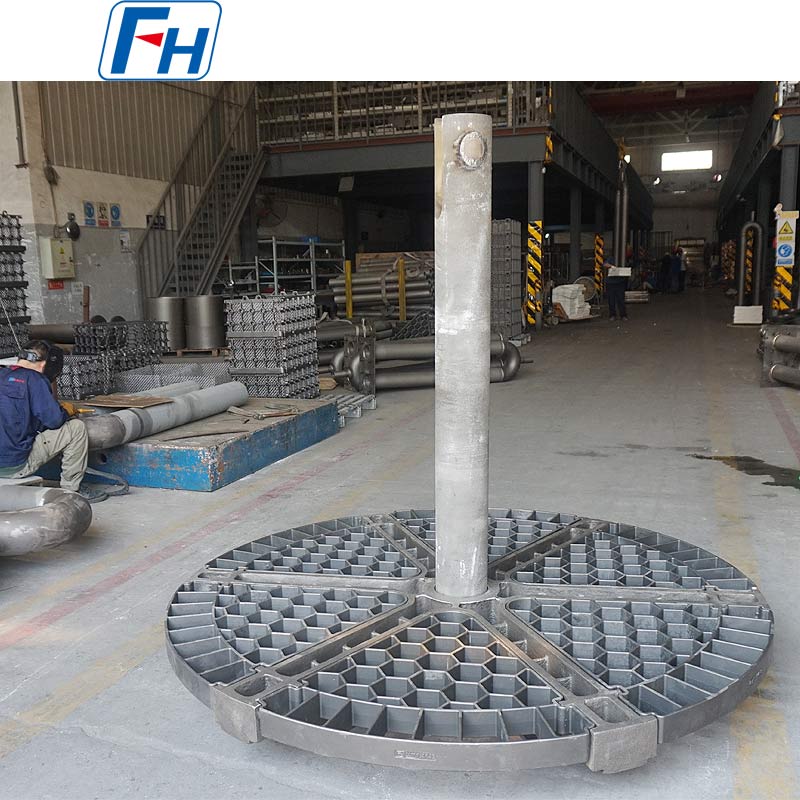

Cánh quạt hợp kim làm từ coban Stellite là bộ phận cánh quạt được sản xuất bằng hợp kim làm từ coban Stellite. Chúng có khả năng chịu nhiệt độ cao, chống mài mòn và chống ăn mòn tuyệt vời và được sử dụng rộng rãi trong các điều kiện vận hành khắc nghiệt như ngành hàng không vũ trụ, năng lượng, hóa chất và dầu khí.
Thuộc tính vật liệu:
Hợp kim dựa trên coban Stellite sử dụng coban làm ma trận, với việc bổ sung các nguyên tố như crom, vonfram và carbon. Pha cacbua cứng thu được cho phép nó duy trì cường độ cao và độ ổn định cấu trúc trong môi trường nhiệt độ cao (trên 1000oC), áp suất cao và ăn mòn, đồng thời thể hiện khả năng chống mài mòn, xói mòn và mài mòn tuyệt vời.
Ứng dụng:
Hàng không vũ trụ: Được sử dụng trong cụm cánh quạt cho động cơ phản lực và bộ tăng áp, đảm bảo hoạt động đáng tin cậy trong môi trường nhiệt độ cao, tốc độ cao và đảm bảo công suất đầu ra.
Công nghiệp năng lượng:
Được sử dụng làm bộ phận cánh quạt chính trong tua bin khí và tua bin hơi nước để đạt được hiệu quả chuyển đổi năng lượng; cũng được sử dụng trong cánh bơm trong thiết bị khai thác dầu để chống mài mòn và ăn mòn trong môi trường khắc nghiệt.
Kỹ thuật hóa học và hàng hải:
Cánh quạt thích hợp cho các lò phản ứng hóa học và thiết bị khử mặn nước biển, có khả năng chịu được sự ăn mòn từ môi trường axit, kiềm và nước biển, đảm bảo hoạt động ổn định lâu dài.
Quy trình sản xuất:
Thường sử dụng phương pháp đúc chính xác (chẳng hạn như đúc sáp bị mất), luyện kim bột hoặc sản xuất bồi đắp (in 3D) để đảm bảo tính chính xác và tính nhất quán về hiệu suất của các cấu trúc cánh quạt phức tạp. Một số cánh quạt cũng được đánh bóng bề mặt và phủ laze để nâng cao hơn nữa khả năng chống mài mòn và hiệu suất bịt kín.
Bảng cấp vật liệu:
| Hợp kim vệ tinh 1 | |||||||||
| Thành phần danh nghĩa (%) và tính chất vật lý | |||||||||
| có | Cr | W | C | Khác | độ cứng | Mật độ | Phạm vi nóng chảy | ||
| Bal. | 28.00-32.00 | 11.00-13.00 | 2,00-3,00 | Ni, Fe, Sĩ, Mn, Mo | 50-58 HRC 550-720HV | 8,69 g/cm3 0,314 lb/in3 | 1248-1290oC 2278-2355°F | ||
| Hợp kim vệ tinh 3 | |||||||||
| Thành phần danh nghĩa (%) và tính chất vật lý | |||||||||
| có | Cr | W | C | Khác | độ cứng | Mật độ | Phạm vi nóng chảy | ||
| Bal. | 30.50 | 12.50 | 2.30 | Ni, Fe, Sĩ | 48-63 HRC | 8,69 g/cm3 0,314 lb/in3 | 1250-1290°C 2280-2355°F | ||
| Hợp kim vệ tinh 4 | |||||||||
| Thành phần danh nghĩa (%) và tính chất vật lý | |||||||||
| có | Cr | W | C | Khác | độ cứng | Mật độ | Phạm vi nóng chảy | ||
| Bal. | 30.00 | 14.00 | 1.00 | Ni, Fe, Sĩ, Mn | 45-49 HRC | 8,61 g/cm³ 0,311 lb/in³ | 1340–1395oC 2245–2545°F | ||
| Hợp kim vệ tinh 6 | |||||||||
| Thành phần danh nghĩa (%) và tính chất vật lý | |||||||||
| có | Cr | W | C | Khác | độ cứng | Mật độ | Phạm vi nóng chảy | ||
| Bal. | 27.00-32.00 | 3.00-6.00 | 0,90-1,40 | Ni, Fe, Sĩ, Mn, Mo | 36-45 HRC 380-490 HV | 8,44 g/cm³ 0,305 lb/in³ | 1250-1360oC 2282-2480°F | ||
| Hợp kim vệ tinh 12 | |||||||||
| Thành phần danh nghĩa (%) và tính chất vật lý | |||||||||
| có | Cr | W | C | Khác | độ cứng | Mật độ | Phạm vi nóng chảy | ||
| Bal. | 27.00-32.00 | 7,50-9,50 | 1,40-2,00 | Ni, Fe, Sĩ, Mn | 45-51 HRC 435-590 HV | 8,53 g/cm³ 0,308 lb/in³ | 1225-1280oC 2240-2335°F | ||
| Hợp kim vệ tinh 13 | |||||||||
| Thành phần danh nghĩa (%) và tính chất vật lý | |||||||||
| có | Cr | W | C | Ni | Khác | độ cứng | Mật độ | Phạm vi nóng chảy | |
| Bal. | 28.00 | 20.00 | 0.90 | 5.00 | V, Fe, Si, Mn | 45–50HRC | 9,02 g/cm³ 0,326 lb/in³ | 1230–1300oC 2246-2372°F | |
| Hợp kim vệ tinh 19 | |||||||||
| Thành phần danh nghĩa (%) và tính chất vật lý | |||||||||
| có | Cr | W | C | Si | Khác | độ cứng | Mật độ | Phạm vi nóng chảy | |
| Bal. | 31.00 | 10.50 | 1.90 | 1.00 | Ni, Fe | 51-53 HRC | 8,36 g/cm3 0,302 lb/in3 | 1239-1299°C 2263-2370°F | |
| Hợp kim vệ tinh 20 | |||||||||
| Thành phần danh nghĩa (%) và tính chất vật lý | |||||||||
| có | Cr | W | C | Si | Khác | độ cứng | Mật độ | Phạm vi nóng chảy | |
| Bal. | 32.50 | 17.50 | 2.50 | <2,00 | Mo, Fe, Si | 53-62 HRC | 8,77 g/cm3 0,317 lb/in3 | 1263-1301°C 2305-2374°F | |
| Hợp kim vệ tinh 21 | |||||||||
| Thành phần danh nghĩa (%) và tính chất vật lý | |||||||||
| có | Cr | Mo | C | Si | Khác | độ cứng | Mật độ | Phạm vi nóng chảy | |
| Bal. | 26.00-29.00 | 4,50-6,00 | <0,35 | <3,00 | Fe, Si, Mn | 27-40 HRC 290-430HV | 8,33 g/cm³ 0,301 lb/in³ | 1295-1435oC 2360-2615°F | |
| Hợp kim vệ tinh 25 | |||||||||
| Thành phần danh nghĩa (%) và tính chất vật lý | |||||||||
| có | Cr | W | C | Khác | độ cứng | Mật độ | Phạm vi nóng chảy | ||
| Bal. | 20.00 | 15.00 | 0.10 | Ni, Fe, Sĩ,Mo, Mn | 20-45 HRC | 8,31 g/cm3 0,300 lb/in3 | 1329-1410°C 2425-2573°F | ||
| Hợp kim vệ tinh 31 | |||||||||
| Thành phần danh nghĩa (%) và tính chất vật lý | |||||||||
| có | Cr | W | C | Ni | Khác | độ cứng | Mật độ | Phạm vi nóng chảy | |
| Bal. | 26.00 | 7.50 | 0.50 | 10.50 | Mo, Fe, Si | 25-35 HRC | 8,61 g/cm3 0,311 lb/in3 | 1340-1395°C 2245-2545°F | |
| Hợp kim vệ tinh 190 | |||||||||
| Thành phần danh nghĩa (%) và tính chất vật lý | |||||||||
| có | Cr | W | C | Fe | Khác | độ cứng | Mật độ | Phạm vi nóng chảy | |
| Bal. | 27.00 | 14.00 | 3.30 | <3,00 | Ni, Si, Mo, Mn | 52-60 HRC 570-760HV | 8,66 g/cm³ 0,313 lb/in³ | 1200-1335oC 2192-2435°F | |
| Hợp kim vệ tinh 250 | |||||||||
| Thành phần danh nghĩa (%) và tính chất vật lý | |||||||||
| có | Cr | Si | C | Fe | Khác | độ cứng | Mật độ | Phạm vi nóng chảy | |
| Bal. | 28.00 | 1.00 | 0.10 | 20.00 | Mn | 18-29 HRC | 8,05 g/cm3 0,291 lb/in3 | 1380-1395°C 2515-2540°F | |
| Hợp kim vệ tinh 694 | |||||||||
| Thành phần danh nghĩa (%) và tính chất vật lý | |||||||||
| có | Cr | W | C | Ni | Khác | độ cứng | Mật độ | Phạm vi nóng chảy | |
| Bal. | 28.50 | 19.50 | 0.90 | 5.00 | V, Fe, Si, Mn | 44-50HRC | 9,02 g/cm3 0,326 lb/in3 | 1237-1296°C 2259-2365°F | |
| Hợp kim sao J | |||||||||
| Thành phần danh nghĩa (%) và tính chất vật lý | |||||||||
| có | Cr | W | C | Ni | Fe | Khác | độ cứng | Mật độ | Phạm vi nóng chảy |
| Bal. | 32.50 | 17.50 | 2.50 | 2.00 | 2.00 | Mn, Sĩ | 50-63 HRC | 8,76 g/cm3 0,316 lb/in3 | 1215-1299°C 2220-2370°F |
Câu hỏi thường gặp:
Q: Làm thế nào để đưa ra yêu cầu?
Trả lời: Bước 1, vui lòng cung cấp cho chúng tôi một số chi tiết về lò, nhiệt độ vận hành, phương pháp làm mát, trọng lượng tải của lò, v.v.;
Bước 2, tốt hơn là cung cấp bản vẽ 3D;
Bước 3, khi có đủ thông tin chi tiết, chúng tôi có thể thiết kế bản vẽ sản phẩm và báo giá phù hợp;
Hỏi: Khi nào tôi có thể nhận được giá?
Trả lời: Chúng tôi thường báo giá trong vòng 24 giờ sau khi nhận được yêu cầu của bạn (Ngoại trừ cuối tuần và ngày lễ). Nếu bạn rất cần lấy giá, vui lòng gửi email cho chúng tôi hoặc liên hệ với chúng tôi theo những cách khác để chúng tôi có thể cung cấp cho bạn báo giá.
Q: Khi nào sẽ giao hàng? /Thời gian giao hàng là bao lâu?
A: -Đặt hàng mẫu: 35 ngày sau khi nhận được thanh toán đầy đủ.
-Đặt hàng chứng khoán: 10 ngày sau khi nhận được thanh toán đầy đủ
-Đặt hàng OEM: 30 ngày sau khi nhận được tiền đặt cọc.
Hỏi: Dịch vụ sau bán hàng của bạn là gì?
A: Bảo hành 1 năm cho tất cả các loại sản phẩm;
Nếu bạn phát hiện bất kỳ phụ kiện nào bị lỗi lần đầu tiên, chúng tôi sẽ cung cấp cho bạn các bộ phận mới miễn phí để thay thế trong đơn hàng tiếp theo, với tư cách là nhà sản xuất có kinh nghiệm, bạn có thể yên tâm về chất lượng và dịch vụ hậu mãi.
Hỏi: Điều kiện thanh toán của bạn là gì?
Đáp: T/T
Thanh toán<=USD10000, trả trước 100%. Thanh toán> 10000 USD, trả trước 50% T/T, số dư trước khi giao hàng.
Hỏi: Phương thức vận chuyển là gì?
A: Vận chuyển bằng DHL, UPS, EMS, FedEx, Vận tải hàng không, vận tải đường biển hoặc vận tải đường sắt.

 Điện thoại: 0510-83310100
  Email: info@alloy-casting.com
  Địa chỉ: Room 1105,Building 6, Jiaye Wealth Center,Wuxi, Jiangsu, P.R.China P.C.:214000.